
Get Free Consultation!
We are ready to answer right now! Sign up for a free consultation.
I consent to the processing of personal data and agree with the user agreement and privacy policy
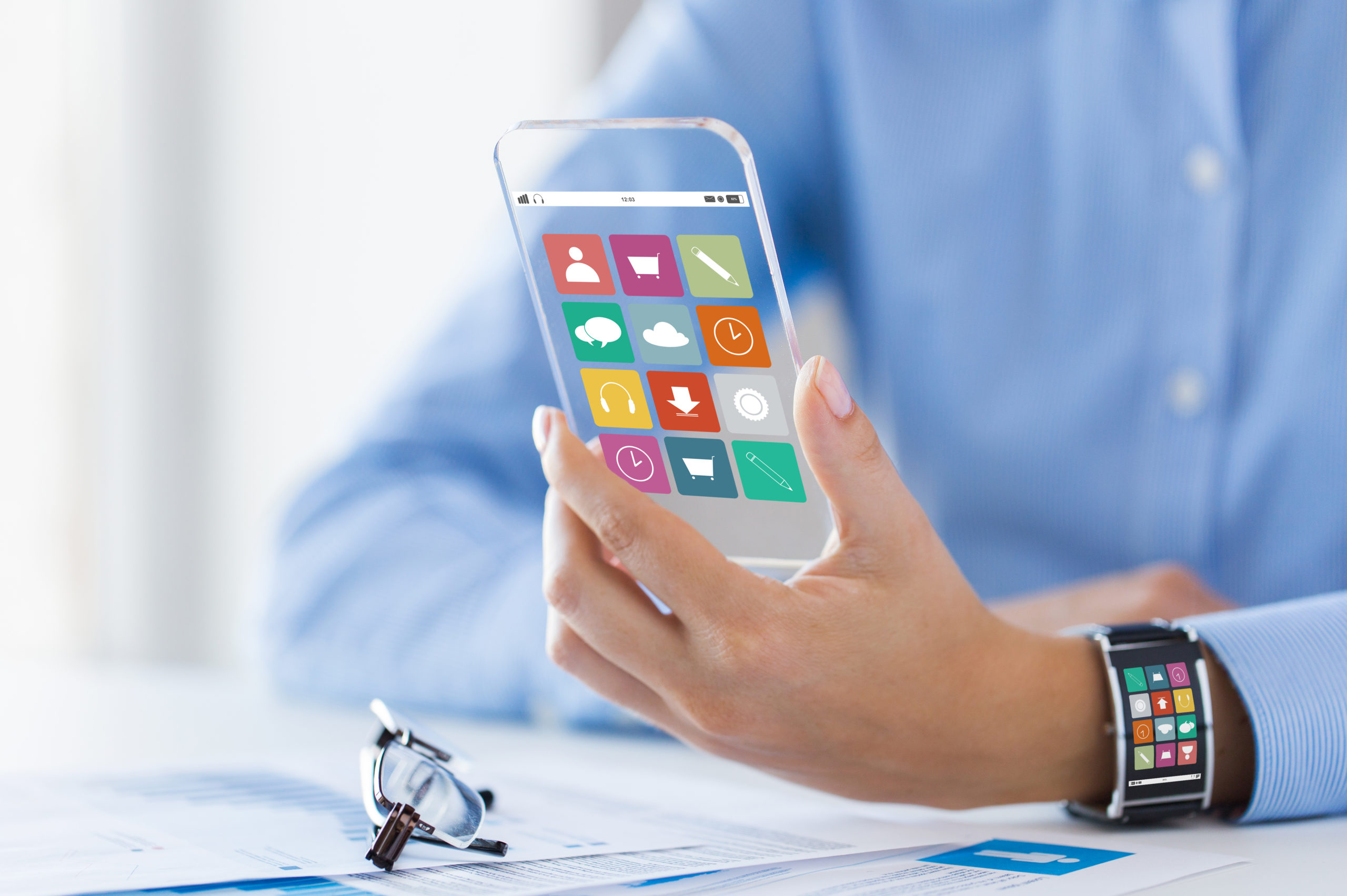
In 2025, UI design will be about creating experiences that are immersive, adaptive, and empathetic to individual user needs. These trends reflect a shift towards technology that is less intrusive yet more responsive, bridging the gap between functionality and an enjoyable, meaningful user experience. Based on current trends and the direction that the field seems to be heading, here are ten potential new UI design trends.
Contents
2024 was a significant year in the user interface (UI) design field. Some events foreshadowed substantial changes in how we use technology in the future. In this yearly prediction list compiled by UX studio, we’ve identified 10 of the latest UI trends by researching and observing all the new emerging technologies and devices.
Many related articles have discussed trends that have been popular for the past few years. These include storytelling, dark mode, custom cursor, unique illustrations, and bold typography. They will remain essential elements in digital platforms. We’ve previously provided more information about these trends, which are now considered common knowledge rather than “modern UI trends.” Now, let’s delve into what we can expect to see as defining elements in UI design in 2025 based on what happened in 2024.
Interactive 3D elements have become a cornerstone of modern web design, evolving far beyond the static, decorative roles they once played. Today, these elements are dynamic and interactive, actively shaping the user journey and enhancing the overall experience.
As technology advances, expect to see more seamless integration of interactive 3D elements powered by WebGL, AR, and VR. These innovations will not only elevate aesthetics but also redefine functionality, creating interfaces that feel immersive, responsive, and memorable.

As artificial intelligence continues to integrate into our daily lives, its influence is shifting beyond functionality to also reshape aesthetics. One emerging trend is the rise of AI-generated user interfaces—dynamic designs created on the fly by AI companions.
For example, consider Google’s NotebookLM: a tool that turns your study notes into tailored learning materials. Imagine adding your resources, and in return, the AI generates interactive flashcards, tables, or even podcasts. It doesn’t stop there—the system can answer your specific questions, enrich content with images, and present everything in a sleek, intuitive format, instead of the current text-based answers we got used to. All this is achieved using a vast library of pre-made components, making the design process seamless and adaptive.
Another intriguing trend is the use of gradient styles to visually signify AI’s presence and AI generated content.
Carbon Design System’s Gradient Inputs: Carbon Design System, a popular open-source design system made by IBM, has introduced gradient inputs to distinguish AI-generated values from human-entered data. These gradients, often subtle and visually pleasing, provide a subtle cue to users about the origin of the content. This approach not only enhances the user experience but also contributes to a more transparent and trustworthy interaction with AI.
Apple’s Siri Gradient: Apple, a pioneer in user interface design, has also adopted gradients to signify AI-generated content. The Siri gradient, a subtle shift in color or opacity, visually indicates when Siri is actively processing a user’s request. This design choice helps users understand the system’s status and reinforces the idea that Siri is a responsive and intelligent assistant.

The integration of text and emojis within paragraphs has emerged as a standout trend in modern UI design, combining visual appeal with functional communication. This playful approach adds personality and expressiveness to user interactions, making interfaces feel more human and engaging.
Text transitions are animated effects that breathe life into static text elements, guiding users seamlessly through an interface. By adding motion to typography, these transitions enhance usability, emphasize content, and contribute to an engaging visual experience.
For instance, text can:
In modern UI design, text transitions rarely operate in isolation. They are often paired with complementary motion techniques—like background animations, parallax effects, or scaling visuals—to craft polished, intuitive digital experiences. Whether it’s guiding the user’s eye to essential content or adding a playful touch, these transitions strike the perfect balance between aesthetics and functionality, making interfaces feel alive and responsive.
Designers are increasingly using these techniques to align text behavior with a product’s tone and purpose, ensuring that motion feels both intentional and delightful. From subtle fades to dramatic transformations, text transitions have become an essential tool in the modern UI designer’s toolkit.

Progressive blur is a technique that creates a smoother and more natural blurring effect compared to traditional methods. Unlike uniform blurs applied across an entire element, progressive blur starts with a sharp focus and gradually increases in intensity, transitioning seamlessly from clear to blurred. This approach enhances both visual appeal and readability by guiding the user’s attention without abrupt distractions.
Bento grids remain a popular choice for responsive, flexible layout design in 2025. Bento grids are a type of grid layout designed to be responsive and flexible. They were inspired by neatly organized Japanese lunch boxes. They are perfect for creating complex layouts that look great on all devices. We can expect websites and apps to continue adopting bento grids to create more user-friendly and visually appealing interfaces.

Skeuomorphism is a design style that incorporates realistic representations of real-world objects into digital interfaces. It emerged as a bridge between the physical and digital worlds, helping users understand and interact with early personal computers, mobile phones, and other devices.
In the late 20th century, as personal computers and, later, smartphones began to dominate, users needed familiar cues to navigate graphic interfaces. Designers brought elements from the physical world onto 2D screens, using realistic textures, shapes, and materials. For example, the look of a yellow paper notebook for notes apps or a leather texture on a digital calendar.
When touch screens were introduced, skeuomorphic design played a critical role in mimicking tactile experiences. Buttons, sliders, and other interactive elements mirrored their real-world counterparts to make interfaces intuitive for users unfamiliar with digital interactions.
As users grew comfortable with these digital metaphors, the need for hyper-realistic elements diminished. By the mid-2010s, flat design—a minimalist approach that emphasized simplicity and functionality—took over, simplifying shapes, textures, and interfaces. Icons and buttons became symbolic rather than literal, focusing on clean, flat visuals.
Skeuomorphism made a notable comeback in 2024, but with a modern twist. Instead of heavy textures and overt realism, designers began blending subtle skeuomorphic details with flat design principles.
The resurgence of skeuomorphism reflects a shift towards more tactile and immersive user experiences. It balances familiarity and modernity, allowing designers to craft interfaces that are both functional and aesthetically pleasing.
As technology continues to evolve, skeuomorphism offers a versatile design language that adapts to diverse contexts, from mobile apps to augmented reality. By blending the best of past and present, it remains a defining trend in 2025.
Highly detailed illustrations elevate the visual storytelling aspect of UI design. These intricate visuals go beyond mere decoration, conveying information, brand personality, and a unique aesthetic. From product descriptions to narrative elements, detailed illustrations add a layer of sophistication. They captivate users, making the overall design clean, tidy, and visually compelling
Apple’s launch of Vision Pro in mid-2023 ushered in a transformative era for user interface design. With its commercial availability in 2024, the device has propelled spatial design into the spotlight, redefining how we interact with digital environments.
Spatial design goes beyond traditional 2D interfaces by integrating digital elements into a three-dimensional context. It leverages depth, movement, and real-world spatial relationships to create immersive user experiences.

Metal shaders are revolutionizing UI design by enabling developers to create stunning, high-performance visual effects. Part of Apple’s Metal framework, these shaders are optimized for iOS and macOS devices, allowing seamless rendering of advanced graphics directly on the GPU (Graphics Processing Unit).

As UIs become more intuitive, the trend toward “invisible” or Zero-UI focuses on gesture- and voice-based controls that reduce visible interface elements, creating a more seamless experience, especially on wearable devices and in augmented reality.
People are opting for technology that is organically embedded into everyday life. Screenless functionality is expanding as consumers desire time spent away from phones, laptops, tablets, and other devices.
As we look ahead to 2025, it’s clear that the field of UI design will continue to evolve and adapt to new technologies and user needs. However, today’s interfaces need to do more than look good—they must also feel good as we move in a direction where people’s need is more and more to have the benefit of digital without disrupting the physical, a theme we explore further in our article on UX trends for 2025.

As our interactions with devices will be much more blurred with our reality, emerging trends, like spatial design, skeuomorphism, and AI and presence, represent just a glimpse of what’s in store. By keeping an eye on these trends and staying open to new ideas and approaches, you’ll be well-equipped to create innovative and effective UI designs that meet the needs of your users. Our agency specializes in UX/UI design, so you can drop us a line any time.